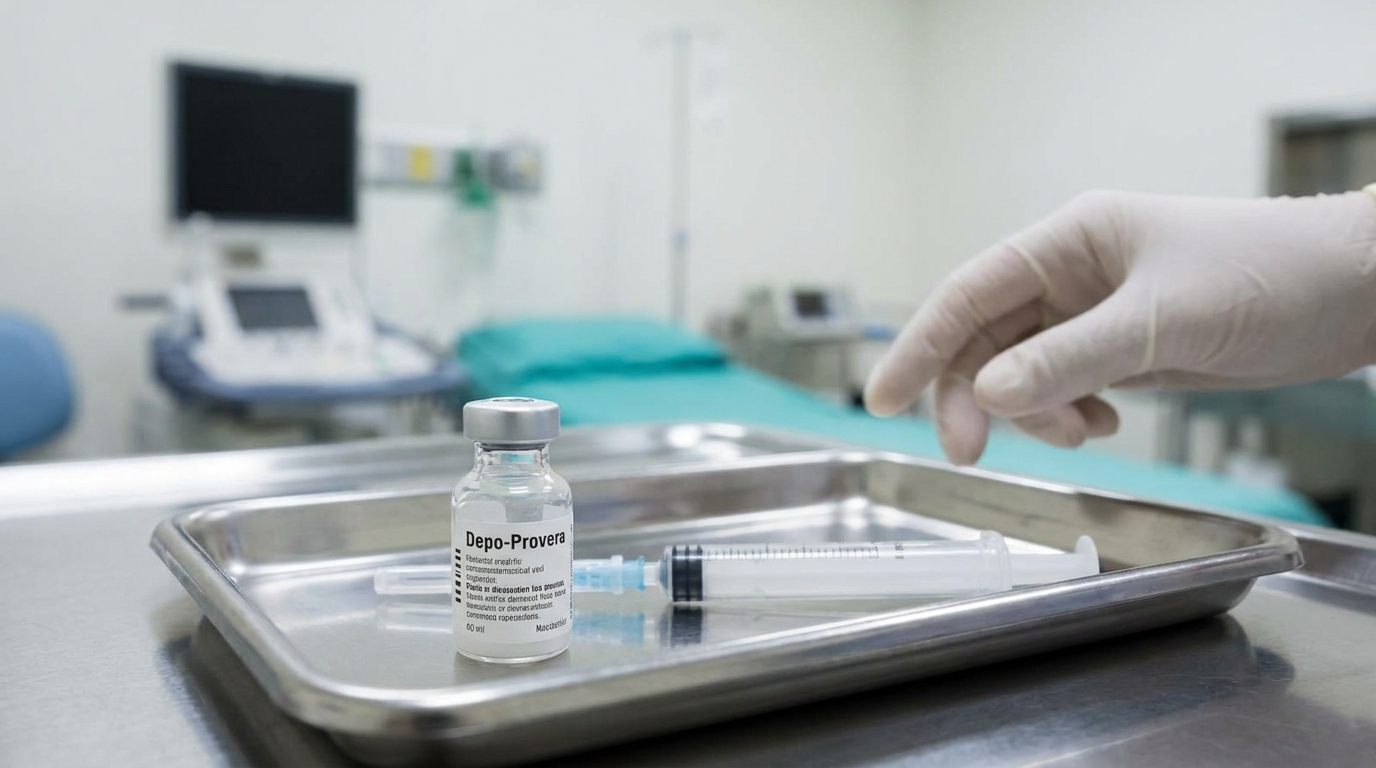
Why Thousands of Women Are Suing Pfizer Over Depo-Provera
Depo-Provera (medroxyprogesterone acetate) has been used as a long-acting injectable contraceptive in the United States since the early 1990s, and millions of women have relied on it. But peer-reviewed research has now linked long-term Depo-Provera use to an elevated risk of intracranial meningiomas — brain tumors that can cause seizures, vision loss, and other serious neurological harm — and thousands of women have filed lawsuits against manufacturer Pfizer.
If you used Depo-Provera and have since been diagnosed with a meningioma or other brain tumor, you may be entitled to compensation — and you may not realize the connection.
Symptoms That May Indicate a Meningioma
Meningiomas are tumors that develop in the membranes surrounding the brain and spinal cord. Even when classified as non-cancerous, their location inside the skull can make them dangerous and often requires surgery or radiation treatment. Common warning signs include:
- Persistent or severe headaches that do not resolve
- Seizures, including first-time seizures in adulthood
- Vision changes, including blurred or double vision
- Hearing loss or ringing in the ears
- Memory problems or cognitive difficulties
- Weakness or numbness in the arms or legs
- Personality or mood changes
- Loss of smell
Meningiomas are typically identified through MRI or CT imaging ordered after symptoms like these appear.
Why These Cases Are Being Filed
A landmark 2024 study published in The British Medical Journal analyzed over 18,000 women and found that those who used injectable medroxyprogesterone acetate for a year or more had a 5.6x higher risk of developing an intracranial meningioma. Subsequent research from the Cleveland Clinic, the University of British Columbia, and other institutions has confirmed the elevated risk and pointed to a dose-response relationship — the longer the use, the higher the risk.
Regulators in Canada and the European Union added meningioma warnings to Depo-Provera labeling years before the United States did. The FDA did not require a meningioma warning on U.S. packaging until December 2025 — more than 18 months after the BMJ study and well after the first wave of lawsuits had been filed. Plaintiffs allege that Pfizer had access to the data linking its product to brain tumors and failed to warn U.S. patients and healthcare providers.
Steps to Take If You've Been Harmed
- See your doctor. If you are experiencing neurological symptoms, get evaluated. Imaging such as an MRI is typically needed to identify a meningioma, and a formal diagnosis is essential for any legal claim.
- Document your Depo-Provera history. Try to identify when you began receiving injections, how long you continued them, and which pharmacy or clinic administered them. Medical and pharmacy records can help confirm this.
- Keep your medical records. Save neurology reports, imaging results, surgical records, pathology reports, and billing statements related to your diagnosis and treatment.
- Act promptly. Statutes of limitations vary by state — in many jurisdictions you have only 2-3 years from the date you discovered (or reasonably should have discovered) the connection between your Depo-Provera use and your meningioma.
- Consult an attorney. A mass tort attorney can evaluate whether your case qualifies for the federal MDL or an active state court action and can help preserve your claim before deadlines pass.
The Legal Landscape
The Depo-Provera litigation is one of the fastest-growing pharmaceutical mass torts in the country. In February 2025, the Judicial Panel on Multidistrict Litigation consolidated all federal cases into MDL No. 3140 before Judge M. Casey Rodgers in the Northern District of Florida. As of March 2026, more than 3,099 cases are pending, with thousands more anticipated as public awareness grows. State court litigation is also active in New York, California, Pennsylvania, Illinois, and other jurisdictions, and bellwether trial selection is already underway.
Contact Triten Law
Our attorneys have experience in pharmaceutical mass tort litigation and can review your situation at no cost. If you used Depo-Provera and have been diagnosed with a meningioma or other brain tumor, contact us today for a free, confidential consultation.
← Back to News & Insights