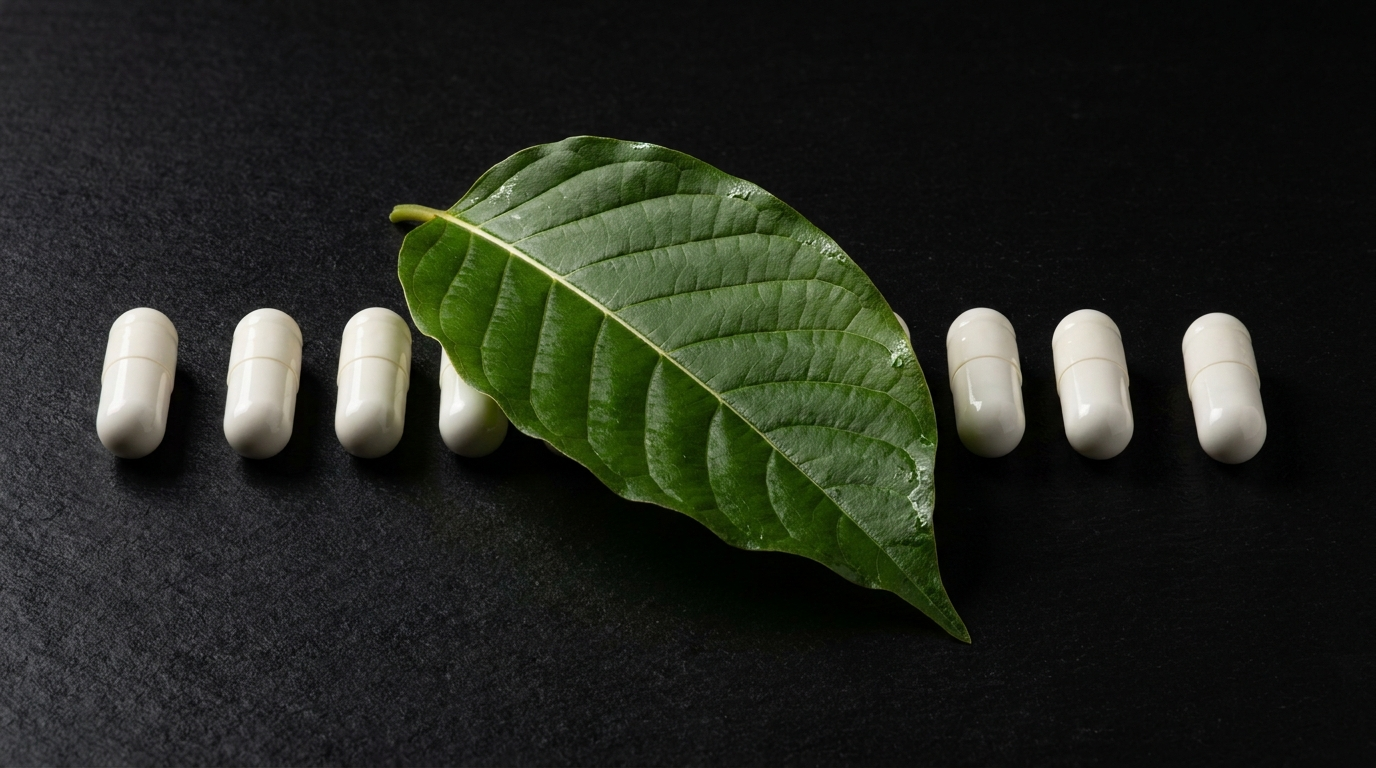
Kratom has been sold across the United States for years in gas stations, smoke shops, and online storefronts — marketed as a natural herbal supplement, an energy booster, and in many cases as a safe alternative to prescription opioids. The reality is different. Kratom's active alkaloids bind to the same opioid receptors as morphine and oxycodone, and the FDA has linked the product to more than 1,800 adverse event reports and 44 deaths. If you used kratom and developed dependence, withdrawal, or a more serious injury, you may be entitled to compensation — and you may not even realize it.
Common Signs of Kratom-Related Harm
The following symptoms, particularly in regular kratom users or those who have recently tried to stop, may indicate the kind of injury currently driving litigation against kratom manufacturers and distributors:
- Physical dependence — needing kratom to feel normal or function day to day
- Opioid-type withdrawal upon cessation, including muscle pain, insomnia, nausea, sweating, anxiety, and cravings that can persist for weeks
- Acute liver injury or abnormal liver function tests, including kratom-induced cholestatic hepatitis
- Seizures, particularly with high-concentration liquid extracts
- Cardiac arrhythmia or unexplained cardiovascular events
- Respiratory depression or overdose, especially when kratom is combined with other substances
- Substantial costs from detox, addiction treatment, or lost employment
- In the most severe cases, death in which kratom alkaloids appear in toxicology reports
Why These Harms Happen
Kratom's primary active alkaloids, mitragynine and 7-hydroxymitragynine, are agonists at the mu-opioid receptor — the same receptor responsible for the analgesic and addictive properties of prescription opioids. 7-hydroxymitragynine has been shown in some studies to be more potent than morphine on a per-milligram basis. Repeated use causes the brain to downregulate its own opioid systems, producing physical dependence and a withdrawal syndrome that is pharmacologically indistinguishable from opioid withdrawal.
Despite this, kratom products have been marketed for years as "100% natural," "non-habit forming," and "safe alternatives to opioids." The FDA has publicly disputed those characterizations, attempted to place kratom alkaloids under the Controlled Substances Act, and issued mandatory recalls of certain kratom products. The gap between what manufacturers knew about kratom's opioid-receptor activity and what they told consumers is the foundation of the failure-to-warn claims now advancing in courts across the country.
Steps to Take If You've Been Harmed
See a medical provider. Document your symptoms and request appropriate testing — liver function panels are particularly important. A formal diagnosis is critical for any legal claim.
Keep records. Save receipts, packaging, photographs of products, online order histories, and any marketing materials or websites you relied on when deciding to use kratom.
Identify the product. Note the brand name, manufacturer, form (powder, capsule, liquid extract), and where it was purchased. Cases involving branded manufacturers and high-concentration liquid extracts are typically the strongest.
Act promptly. Statutes of limitations vary by state — in many states you have only 2-3 years from the date you discovered (or should have discovered) the injury. Discovery-rule tolling may extend this period, but waiting is risky.
Consult an attorney. A mass tort attorney can evaluate the specific product you used, identify the responsible manufacturers and distributors, and advise on whether your case fits within the developing litigation.
The Legal Landscape
Kratom litigation is in an early but rapidly maturing stage. Individual cases and state court consolidations are advancing in multiple jurisdictions, and a federal multidistrict litigation (MDL) is widely expected as case volume grows. Viable defendants include branded manufacturers and processors (including companies such as Mitragaia, Kraken Kratom, and Happy Hippo Herbals, among others), distributors and wholesalers in the supply chain, and in some cases retailers that made their own independent safety representations. Legal theories include failure to warn, negligent misrepresentation, state consumer protection violations, and products liability.
Contact Triten Law
Our attorneys are evaluating kratom injury cases now, before the litigation landscape becomes saturated and before statutes of limitations close on potential claims. If you used kratom and experienced dependence, withdrawal, liver injury, or another serious complication — or if you lost a family member whose death involved kratom — contact us today for a free, confidential consultation.
← Back to News & Insights